
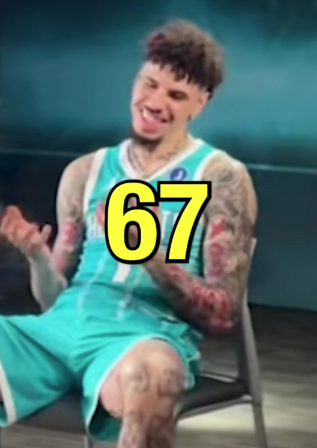
Responding When Kids Say “6-7”: Four Approaches and What They Teach Us
Why Do Kids Say “6-7”?
If you’ve spent time around school-age kids, you may have heard them say “6-7!” in response to questions or just for laughs. It’s become a running joke—usually referencing a social media meme, sometimes said out of the blue or whenever a number is mentioned. As adults—parents, teachers, behavior analysts, or church workers—we might wonder: What are we supposed to do when kids latch onto inside jokes like these?
The video that goes with this article looks at four ways adults can respond when kids habitually say “6-7,” and what happens behaviorally in each case. Below, I’ll outline each response, with practical examples and some behavioral insight.
1. “Stop That Right Now!”: Demanding the Meme End
When adults get frustrated and directly tell kids to knock it off, it usually gives the meme even more fuel. For example, if a teacher sharply says, “Enough with the ‘6-7’ nonsense!” in class, students learn that this simple phrase gets a big reaction. From a behavioral perspective, the attention (even negative attention) can reinforce the behavior. The meme might become more popular—at least for a while—simply because it annoys grown-ups.
2. Ignoring It: Letting the Joke Pass By
Another common response is to just carry on, not acknowledging the meme. For example, a parent asks their child how many cookies they want, gets the “6-7” response, and simply continues the conversation or hands over a sensible number. When the meme doesn’t get a reaction, its appeal may fade. In behavioral terms, the joke might maintain its frequency for a bit, or even decrease, since it’s not eliciting the expected attention.
3. Joining In: Sharing the Joke
Some adults choose to laugh along and join in the fun: “Six-seven? That’s my favorite number, too!” or even making up their own silly follow-up. This approach can foster shared enjoyment. The relationship between adult and child may grow closer around the shared humor. If a child was saying “6-7” just to annoy the adults, this unexpected joining in can actually reduce the behavior—because the joke’s power to bother is gone. From a behavioral perspective, this is a kind of gentle extinction for kids trying to get a reaction, while still strengthening relationship for those who just love the silliness.
4. Beating Them To The Punchline
A playful twist is for the adult to start saying “6-7!” first. For example, during roll call, the teacher answers “6-7!” before any student can. Or, when serving snacks, a leader distributes “6-7!” snacks with a wink before anyone asks. This often irritates kids who wanted to be in control of the joke—suddenly, adults have stolen their thunder. It’s a humorous reversal. From a behavioral angle, this can briefly decrease the joke’s use, at least until a new meme comes along.
What To Remember
The way adults respond shapes what happens next. Whether you ignore the joke, play along, or, just for fun, get the first laugh yourself, how you handle “6-7” moments can turn everyday silliness into connection—or keep things running smoothly in your classroom, home, or group. Consider trying out one of these approaches next time the meme makes an appearance.